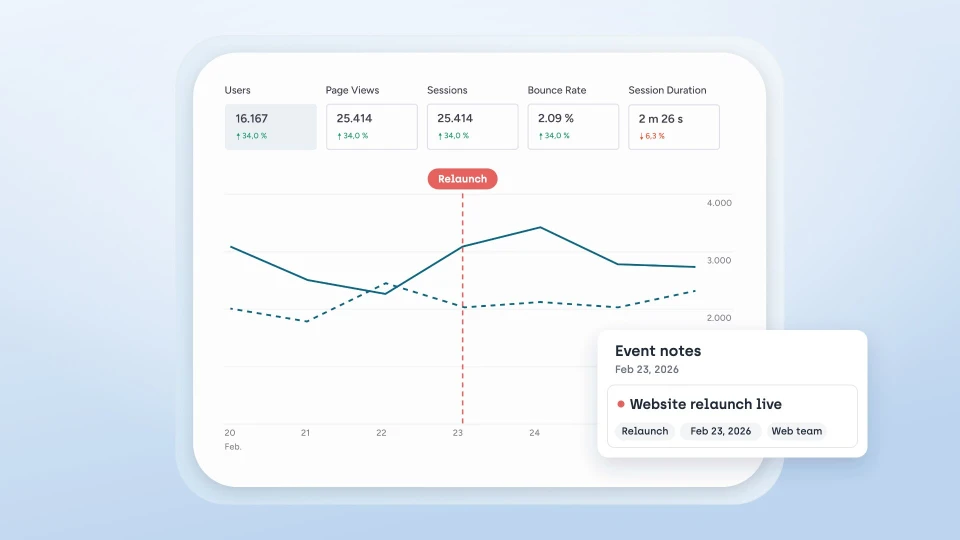
In 2025, digital transformation brings new opportunities and obligations for website operators. Particularly important are accessibility according to WCAG standards and web analytics. The SaaS solution from sitebrunch combines automated WCAG checks with web analytics and thus closes an essential gap for companies.
Accessibility as a legal and ethical obligation
In 2025, complying with privacy and accessibility requirements will not only be mandatory for European website operators, it also offers opportunities to strengthen user trust and reach. In particular, the ePrivacy Regulation (ePR) and the implementation of WCAG standards call for quick action to avoid warnings and financial losses. But it is about more than just compliance. Digital accessibility means that content is accessible to everyone, regardless of disabilities or technical limitations. In 2025, as digital transformation hits a new peak, customers are increasingly choosing companies that take inclusion and accessibility seriously.
Web analytics provide website operators with essential data on how users interact with their digital offerings. From time on page and bounce rates to conversion rates, analytics help identify weak spots and continuously improve the user experience. Yet classic analytics solutions often overlook how accessible a website actually is. That is where modern tools such as sitebrunch come in.
Why the combination is decisive
Combining accessibility and web analytics lets website operators not only check whether their pages are accessible, but also analyze the effect this has on user behavior.
A few examples:
Accessibility and conversion rates: An online shop whose checkout process is also accessible for people with motor limitations achieves higher conversion rates and reaches a larger audience.
Analyzing bounce rates: When users on screen readers show a high bounce rate, this can be a sign of lacking accessibility.
Optimization through feedback: The combination of automated WCAG checks and analytics data gives concrete hints on which elements of a website should be prioritized for improvement.
At the same time, users today expect clear cockpits that bundle all functions, instead of switching between different programs unnecessarily. Efficiency and clarity set new standards. Modern tools like Figma and Canva have displaced Adobe Photoshop through intuitive handling and collaborative features. In project management too, flexible browser-based applications such as Notion are increasingly replacing complex systems like Jira.
Future-proof through integrated solutions and AI
The time is ripe to replace outdated programs with innovative solutions. AI drives this development by automating tasks like monitoring regulations, simplifying compliance, and making processes more efficient. Modern technologies thus enable a future-proof, user-centric, and compliant digital infrastructure.
In a time when usability and legal requirements are valued equally, integrated tools like sitebrunch are a decisive competitive advantage. They help companies respond proactively to changing requirements and at the same time increase ROI.
The combination of accessibility and web analytics is more than a trend. It is a necessity. Companies that bring these topics together not only make a statement for inclusion, they also optimize their performance and reach more customers in the long run. sitebrunch offers exactly that: a future-proof solution for the requirements of 2025 and beyond.